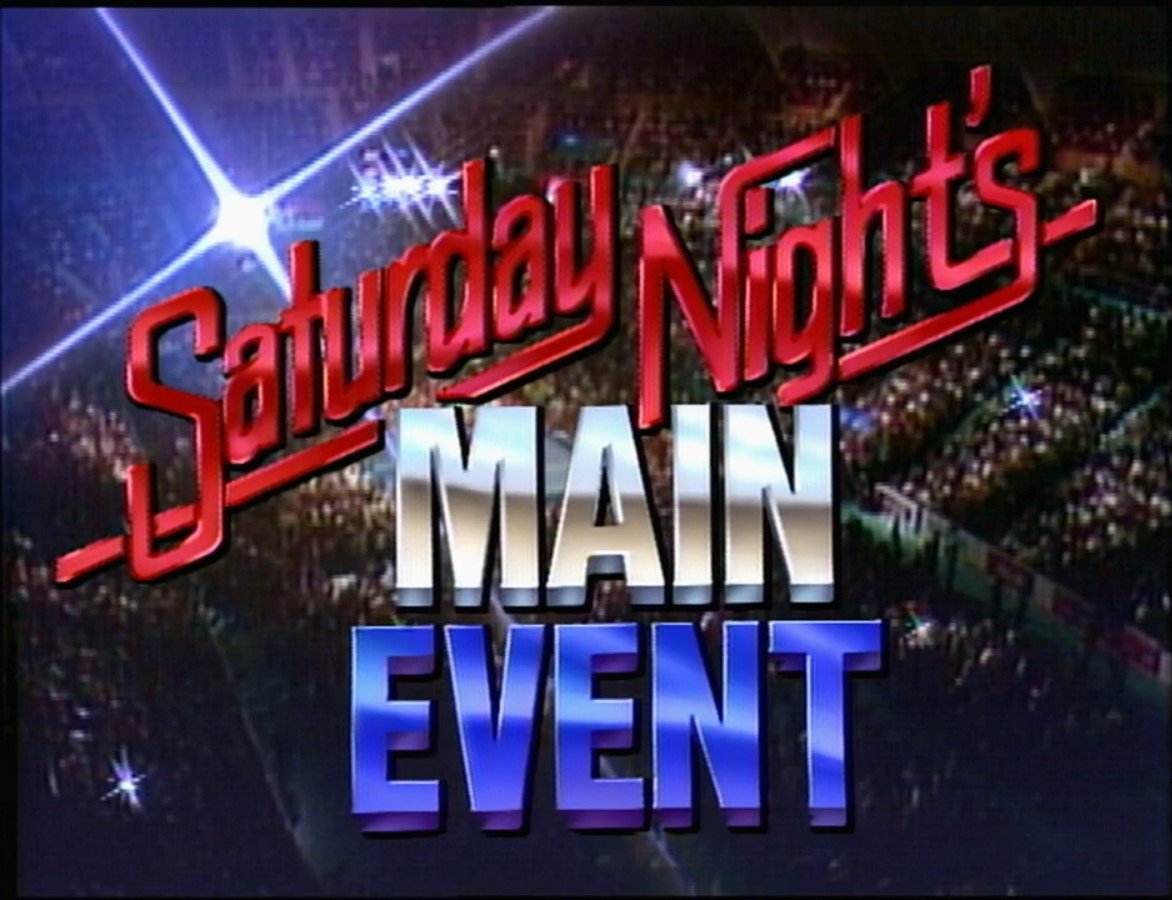
Saturday Night’s Main Event (SNME) isn’t just nostalgia — it was WWE’s (then WWF) national primetime laboratory: huge ratings, marquee television-only moments and a format that created instant cultural touchpoints. Below are the Top 10 matches and moments selected for historical importance, in-ring quality and long-term storyline consequences — with concise analysis of why each mattered and how it helped shape modern pro-wrestling.
1) March 14, 1987 — The Hogan/André build & the Battle Royal that made SNME a television event
Why it ranks #1: The March 14, 1987 SNME became the program’s signature network-era moment, headlining a massive Battle Royal that acted as the mainstream prelude to Hulk Hogan vs. André the Giant at WrestleMania III. The show’s ratings spike — among the highest for that slot in the 1980s — proved that WWE could deliver genuine national-event television on network broadcast. That primetime success is the single factor that made SNME a cornerstone of the company’s crossover push.
Impact: Cemented the concept that selected televised “specials” could move mainstream audiences in ways weekly cable could not — forcing networks and advertisers to treat pro wrestling like a bona fide entertainment product.
2) May 11, 1985 — The debut special: establishing SNME’s promise (Hulk Hogan as the free-TV draw)
Why it ranks: The first SNME telecast proved the format’s value: Hogan on network TV moved casual viewers and created must-see moments outside pay-per-view. That debut set the expectation that SNME episodes would be the place to find premium matches, surprise angles and TV-only main events.
Impact: Defined the “too big for regular TV” positioning that WWE would exploit for decades — now repurposed in streaming-era specials and Peacock tentpoles.
3) The Hogan–Paul Orndorff steel-cage era (1986–1987) — controversial finishes & mainstream drama
Why it ranks: The Hogan/Orndorff feud (and its SNME cage matches) combined star power with controversial, talk-show-friendly finishes (double-escapes, disputed officiating) that kept viewers debating outcomes. Those booking choices were perfect television: they extended narratives and guaranteed water-cooler conversation. Contemporary recap coverage and later retrospectives highlight how those finishes drove tune-in.
Impact: Demonstrated how deliberate TV finishes (controversy, ambiguous endings) could increase sustained audience interest and PPV buys.
4) Curt Hennig (Mr. Perfect) vs. Tito Santana — a technical classic on a primetime stage
Why it ranks: When SNME wasn’t chasing spectacle it sometimes produced technical masterpieces — Curt Hennig vs. Tito Santana (multiple SNME appearances) is frequently cited by modern critics as one of the finest Intercontinental Title displays on national television. Contemporary reviews and recent retrospectives praise the psychology, crisp pacing and the match’s ability to make secondary titles feel vital on big nights.
Impact: Reminded audiences and bookers that SNME could elevate in-ring craft — a balance that keeps the series credible beyond nostalgia.
5) Big-man spectacles and tag chaos — Ultimate Warrior, Legion of Doom, Demolition (late 1980s–1990)
Why it ranks: SNME’s network audience loved grand visual storytelling: monster matchups, big tag brawls and high-impact moments (cage superplexes, top-rope bumps) made for highlight reels that played on newsmagazines and sports shows. Episodes featuring Warrior, Legion of Doom and Demolition created memorable soundbites and TV moments still clipped today.
Impact: Gave WWE the bite-sized content that aged well in highlight packages and trailers — a precursor to how clips are used in the modern social era.
6) Celebrity/movie tie-ins & crossovers (Zeus, movie publicity stunts) — SNME as spectacle TV
Why it ranks: SNME was often the place for outside-the-ring spectacle: movie characters and celebrity intrusions made the show feel larger-than-life. These moments helped pro wrestling validate itself as mainstream TV entertainment and widened its appeal beyond traditional fans.
Impact: Set the template for WWE’s ongoing use of celebrity involvement as a tool to reach non-wrestling audiences.
7) The Network-era ratings run (late 1986 – 1990) — commercial proof of concept
Why it ranks: SNME didn’t just produce iconic matches — it repeatedly delivered ratings. Those commercial successes gave WWE leverage with advertisers and networks and justified network specials and later revivals. Modern historical analysis shows SNME’s ratings consistently outperformed many contemporary entertainment slots, giving the brand cultural heft.
Impact: Financial and promotional success that permanently altered WWE’s TV strategy.
8) SNME’s tactical revivals (2006–2008; mid-2020s Peacock era) — nostalgia as a marketing engine
Why it ranks: WWE has returned to SNME as a strategic branding vehicle: NBC/Peacock-era revivals and Peacock exclusives in the 2020s repurpose nostalgia to create tentpole streaming events (including specials tied to major wrestler milestones). The 2024–2025 revival strategy shows SNME’s continuing promotional utility in the streaming era.
Impact: SNME now functions as both history and currency — an event WWE can deploy to drive subscriptions, spotlight legends and create national headlines.
9) Memorable televised spots that became cultural clips (cage superplexes, on-air shocks)
Why it ranks: Visual moments — Hogan superplexing Boss Man off the cage, surprise run-ins and referee bumps — were clip-friendly and amplified WWE’s mainstream exposure. Those shots were replayed across news, sports and entertainment outlets, proving the promotional power of one unforgettable image.
Impact: Built WWE’s clip culture long before social media made viral moments routine.
10) Legacy & archival influence — how SNME built the WWE Vault and modern retrospectives
Why it ranks: SNME episodes are source material for modern WWE Vault compilations, editorial retrospectives and ranking lists. That archival value — the fact the company and journalists keep returning to SNME clips — proves the show’s long-term cultural currency. Modern “Top 10” packages and Vault features reintroduce SNME highlights to new audiences and justify the show’s modern revivals.
Impact: Ensures SNME remains a living part of WWE’s narrative, not just a relic — used to promote present arcs and platform subscription content.
How this list was selected (methodology)
- Cross-referenced primary material: WWE’s own SNME archives and Top-10 video packages were used to identify widely promoted segments.
- Contemporary press & ratings data: Modern analyses of TV ratings and industry retrospectives (e.g., Wrestlenomics) were consulted to weigh cultural impact against audience scale.
- Match-level critique: Journalistic match writeups and modern rewatch reviews (Cageside Seats, Sports outlets) informed assessments of in-ring quality and durable narrative effect.
Final analysis — Why Saturday Night’s Main Event still matters
SNME was not merely a weekly show — it was a strategic platform. It created moments that moved mainstream headlines, elevated secondary titles to national relevance, and let WWE experiment with controversial finishes and celebrity tie-ins that shaped future booking. Its revivals show the format’s continued promotional value: SNME remains a flexible, high-visibility asset that WWE can deploy to make a match feel like an event — not just another night on TV.
Make sure to subscribe to our Late Night Crew Wrestling YouTube Channel. Follow @yorkjavon, @kspowerwheels & @LateNightCrewYT on X.
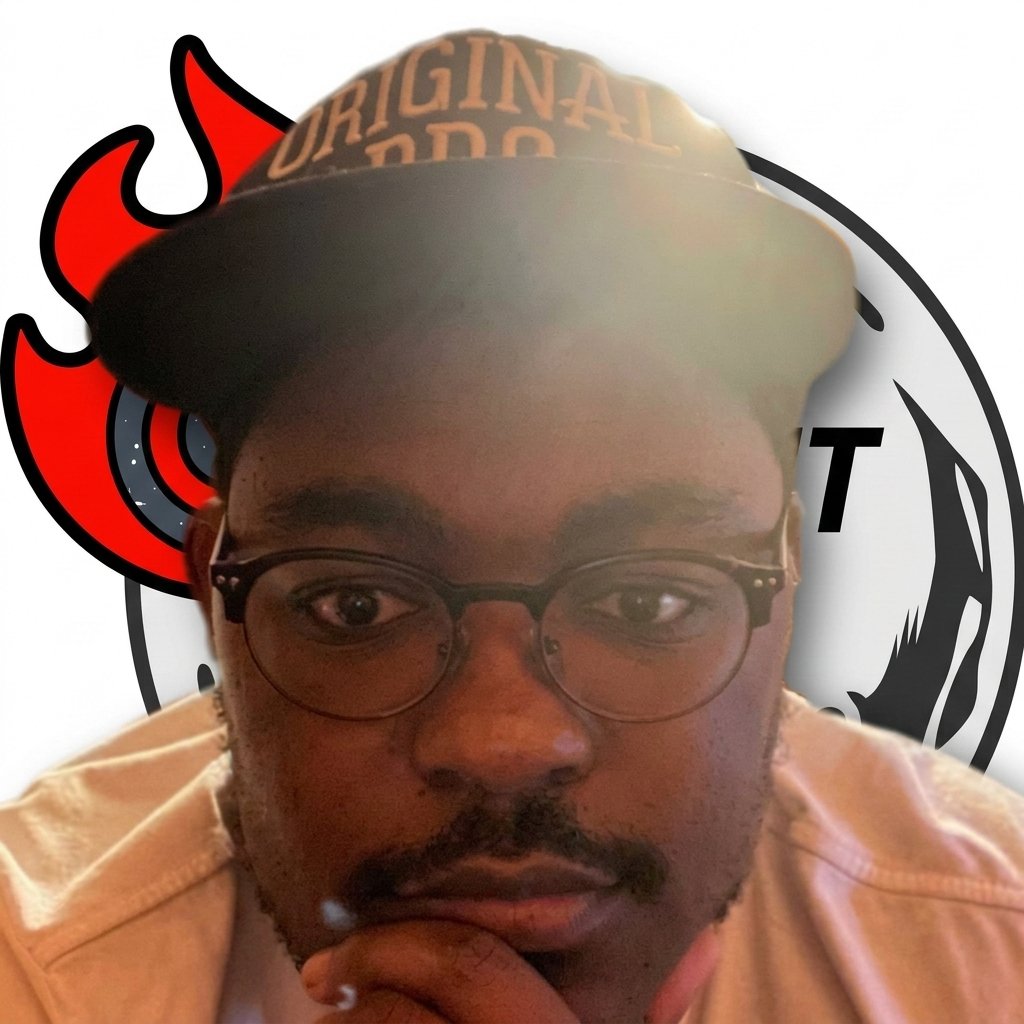
I’m the quiet one until the bell rings then I’ve got takes. I live for WWE NXT and TNA, I want every promotion to succeed, and I will absolutely roast the bad decisions on sight (because someone has to). Anime taught me to respect long-term storytelling; wrestling taught me that sometimes the plan is “we panicked” and called it “unpredictable.” The Miz got me into all of this, so yeah I appreciate confidence, commitment, and the art of talking like you’re already the main event. Now I bring that same energy to the page as the main writer for Late Night Crew Wrestling because if you’re not here to be must-see and tell the truth, why are you here?!