How a carefully timed break, a forgettable live iMPACT! and a controversially ‘worked’ Santana no-show at Turning Point cost TNA its biggest post-Pay-Per-View surge — and why restoring title prestige, transparency and stable creative leadership are non-negotiable.
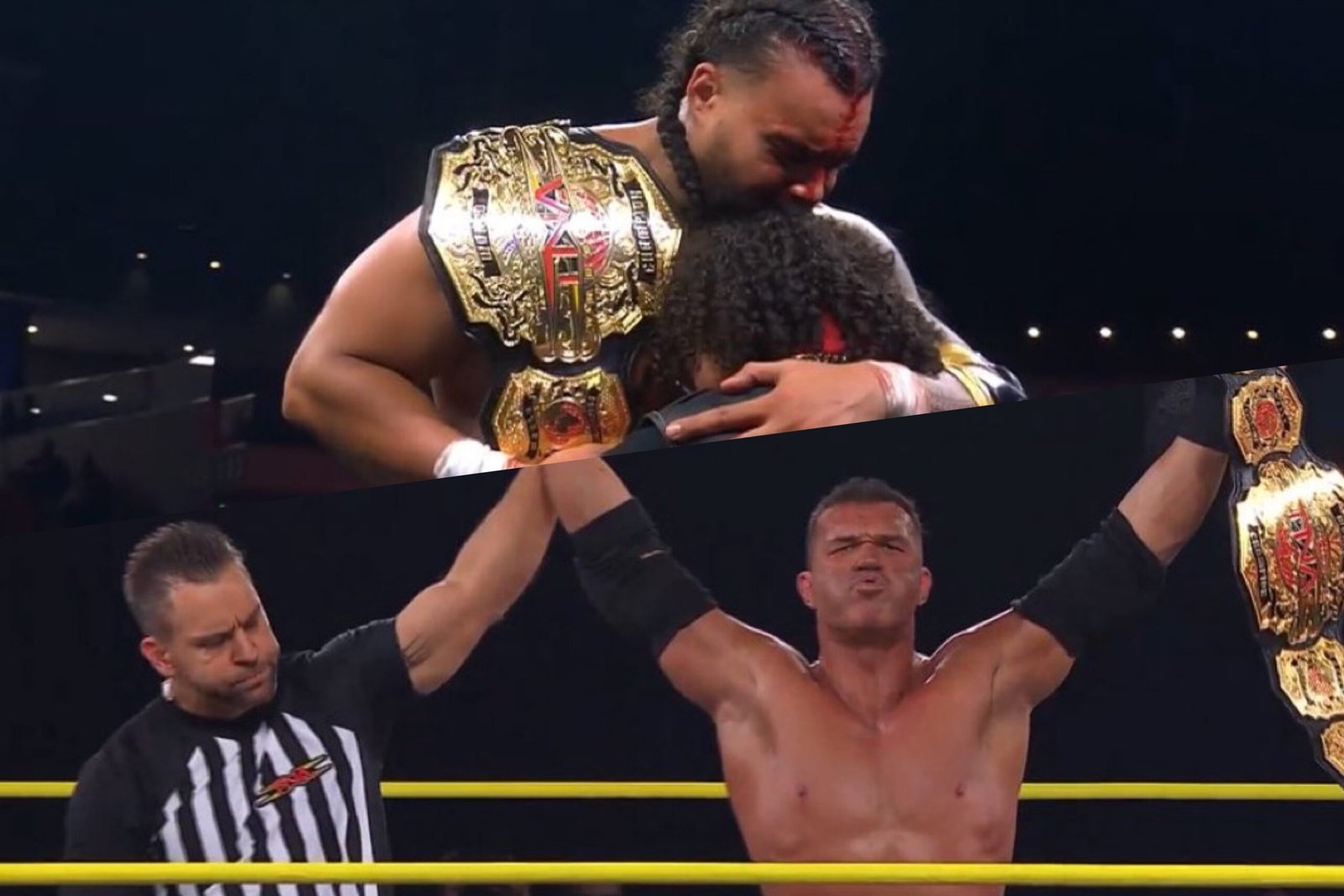
TNA’s Bound For Glory on October 12, 2025 delivered one of the clearest emotional payoffs the company has had in months: Mike Santana — a figure whose rise had felt deliberate and overdue — captured the TNA World Championship in a volatile, crowd-driven main event that looked, on paper, like the kind of finish that can re-energize a faltering promotion. But instead of building on that momentum, TNA allowed a short hiatus, an underwhelming live iMPACT! return, and a TNA+ Turning Point special that folded backstage rumors into storyline to turn triumph into mess. The result was a net loss of trust, narrative clarity, and goodwill with core fans.
Bound For Glory was the setup — TNA’s follow-through failed
Bound For Glory gave TNA a valuable moment: Santana’s win gave the roster a credible new top figure and created obvious questions to answer on TV (who’s next, what’s the title’s direction, how will Santana be protected). That kind of payoff should be followed immediately with a run of emotionally consistent TV — promos, defenses, credible challengers, and digital vignettes — to let casual viewers and lapsed fans see a coherent direction. Instead, a break between the PPV and the next big episodes created a vacuum. Without a disciplined content plan during that gap, the hot feeling from the pay-per-view dissipated and speculation filled the void.
The live iMPACT! go-home squandered an opportunity
A live iMPACT! was the right tool for regaining heat: live TV can create urgency and deliver must-see moments. Yet the episode that preceded Turning Point was widely read as a tepid “infomercial” for the special rather than a substantive continuation of Santana’s story or a vehicle for decisive developments. Instead of using the live window to elevate stakes or answer pressing narrative questions, TNA offered little that changed the narrative trajectory — which made fans feel the break had been pointless. The result: lowered anticipation for Turning Point and a more skeptical internet reaction as fans debated whether the company knew where it was going.
Turning Point: a title change marred by backstage noise and a “work”
Turning Point ended up compounding the problem. Frankie Kazarian cashed in and won the TNA World Championship in an angle that, functionally, erased Santana’s short-lived reign almost as suddenly as it began. Worse, media and credible insiders reported Santana had missed a meet-and-greet and was not on site by call time — details that started as backstage concern and then, on the pay-per-view, appeared to be folded into an “NXT invasion” angle and a worked explanation. Fans and commentators blasted the decision: real backstage problems being presented as kayfabe — without upfront transparency — produced the sense fans were being gaslit rather than informed. That sentiment spread fast across social platforms and wrestling forums.
Why this sequence hurts a promotion far more than a single misstep would
There are three interconnected hits here: narrative, prestige, and trust.
• Narrative: Wrestling depends on long arcs and perceived consequence. Abrupt reversals and stop-start booking teach viewers not to invest: if belts can change hands overnight or if major wins are treated as transient, the emotional currency of the product is devalued.
• Prestige: Championships are the single most visible storytelling asset a promotion has. A title that flips quickly (especially under murky circumstances) loses credibility for future programs.
• Trust: Taking real backstage problems and weaponizing them as storyline — or appearing to do so — damages the fan-company relationship. Fans want to be surprised; they do not want to be misled when the stakes involve people’s livelihoods or safety. That breach of trust is harder to repair than a bad match or a stilted promo.
The easy parts of the fix (do these now)
- Public clarity on the Santana situation (without throwing talent under the bus). A brief, honest statement that distinguishes real events from storyline would have stemmed the worst of the backlash: confirm what aspects were storyline, what were real scheduling issues, and pledge a timeline for addressing the title picture. This doesn’t require granular public personnel details — just candor. (Think: “This element included both planned storyline beats and unexpected scheduling complications; here’s how we’ll resolve the title picture.”)
- Restore the title’s credibility immediately. If the intent is to build a long-term champion, announce a clear path: multi-week tournament, open-challenge series, or a high-profile rematch clause. Make the choice feel deliberate rather than reactive. Fans forgive misbooking when the fix is executed with care and respect for the title.
- Stop treating leaks and no-shows as “creative fodder” by default. Work with talent relations to shore up obligations and communicate proactively with both talent and fans. If a no-show happens again, don’t reflexively try to turn it into a twist — address it, then choose thoughtfully whether to incorporate elements into storyline with full talent buy-in.
The structural fixes (medium term)
• Stabilize creative leadership. A single, accountable creative voice (or a small, consistent team) with the authority to plan 6–12 month arcs will curb the stop-start booking that undermines investment.
• Invest in homegrown stars while using veterans sparingly. Veterans add polish and draws; homegrown stars are longevity. Strike the right mix and protect your long-term investments.
• Use breaks strategically. If you must pause after a PPV, run digital storytelling during the gap — vignettes, interviews, and behind-the-scenes content that preserves momentum and demonstrates thoughtful planning.
Verdict: the break hurt — and it’s repairable, but only with humility and discipline
The decision to pause after Bound For Glory was defensible in isolation. The problem wasn’t the break itself but how TNA failed to use that breathing room strategically and then compounded the misstep by folding real backstage chaos into a televised twist. The cumulative effect was not just a lost week of momentum — it was a credibility wound. But it’s not fatal. With transparent communication, a deliberate plan to restore title prestige, and a commitment to consistent creative stewardship, TNA can recover the trust of its core fans and present a product new viewers can take seriously.
Make sure to subscribe to our Late Night Crew Wrestling YouTube Channel. Follow @yorkjavon, @kspowerwheels & @LateNightCrewYT on X.
I’m the quiet one until the bell rings then I’ve got takes. I live for WWE NXT and TNA, I want every promotion to succeed, and I will absolutely roast the bad decisions on sight (because someone has to). Anime taught me to respect long-term storytelling; wrestling taught me that sometimes the plan is “we panicked” and called it “unpredictable.” The Miz got me into all of this, so yeah I appreciate confidence, commitment, and the art of talking like you’re already the main event. Now I bring that same energy to the page as the main writer for Late Night Crew Wrestling because if you’re not here to be must-see and tell the truth, why are you here?!