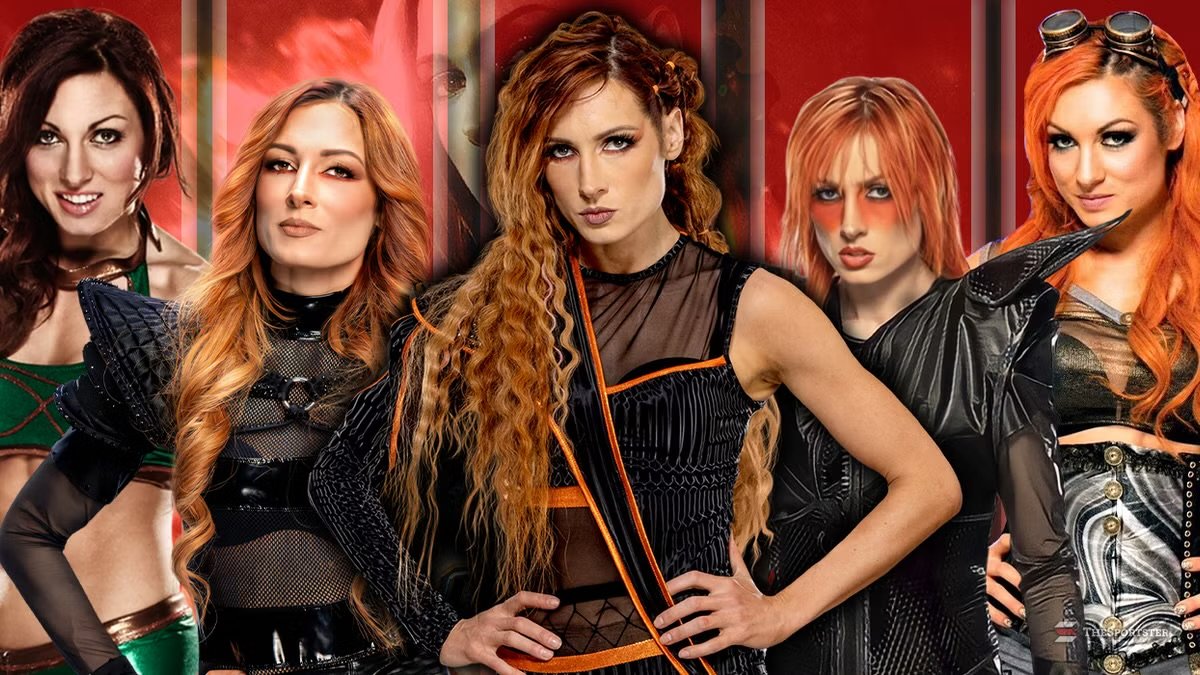
March is Women’s History Month, and Becky Lynch is the kind of career you bring up when you want proof that women’s wrestling didn’t just “evolve” — it expanded. Becky didn’t climb one ladder. She built a whole new floor plan: main-event wrestler, top-line talker, headline-maker, crossover name, and a social-media menace who knows exactly how to keep herself in the conversation without begging for it.
That’s the part people miss when they reduce her to catchphrases. “The Man” wasn’t just a nickname. It was a power grab. And “Big Time Becks” wasn’t just designer coats and attitude — it was Becky proving she could flip the audience’s relationship with her, still stay on top, and still wrestle like the intensity is real.
The long road that made her stubborn
Becky’s rise works because it never felt like the company’s first choice. She came up the hard way, built herself through grind and setbacks, and when she finally landed in the WWE system, she didn’t feel like a manufactured star — she felt like someone who needed this to work. That chip never left. Even now, when she’s polished and poised, her best stuff still has that edge of, “I’m not asking, I’m taking.”
That foundation is why her biggest eras didn’t feel like marketing. They felt like inevitability.
“The Man” wasn’t a push — it was a shift
A lot of wrestlers get hot and then cool off when the machine moves on. Becky’s “The Man” era didn’t cool off because it wasn’t built on one match or one moment — it was built on the audience deciding she was the centerpiece and refusing to let WWE pretend otherwise.
The peak is etched into company history: WrestleMania 35, where Becky walked into the first women’s main event in WrestleMania history and left as a double champion. That wasn’t just a win. That was WWE telling the world, on the biggest stage, that women could close the show and carry the company’s most protected spotlight — and Becky was the one they trusted to do it.
Women’s History Month is about moments that change what’s “normal.” Becky made a WrestleMania main event feel normal after she did it.
“Big Time Becks” is the era that proved she’s not a one-note hero
The smartest thing Becky ever did was refuse to live off “The Man” applause forever. When she came back in 2021, she didn’t return as the same fan-favorite fighting champion. She returned as Big Time Becks — flashy, smug, self-satisfied, and perfectly aware she was the star of the story.
That heel run mattered because it proved something a lot of top babyfaces never prove: Becky can be the villain and still feel like the main character. The outfits were loud, but the real flex was that she could change the tone of an entire segment just by walking out. She wasn’t trying to get cheers. She was trying to get control.
And here’s the key: underneath the character shift, her ring work stayed honest. That’s why the gimmick worked. Big Time Becks could talk big because the bell always backed it up.
The modern advantage: Becky treats the internet like part of the gimmick
This is where Becky is genuinely ahead of most wrestlers: she understands that fans don’t just watch wrestling on TV anymore. They watch it through clips, reaction shows, recap podcasts, and online arguments that live for days.
Becky doesn’t fight that. She uses it.
Sam Roberts: “SCAM” is more than a nickname — it’s narrative control
Her ongoing online rivalry with Sam Roberts works because Becky knows exactly what she’s doing: she’s taking a loud media personality and turning him into a character in her universe. The “Sam ‘SCAM’ Roberts” nickname isn’t just a jab — it’s Becky doing what she’s always done best: framing the story so the audience repeats her version of it.
And this isn’t some imaginary internet beef. Becky has leaned into it publicly on social, and the “SCAM” label has become part of the running joke in the WWE media ecosystem. She even popped up in Sam’s world in a very Becky way — storming the studio like she owns it and turning his show into her segment.
That’s how you stay relevant online without looking like you’re chasing relevance: you make the content feel like canon.
The Bexxie Awards: Big Time Becks creating her own awards season
The Bexxie Awards are another example of Becky’s biggest strength: she’s not just reacting to the conversation, she’s creating a new one. It’s funny, it’s petty, it’s self-serving on purpose — and it keeps her name moving through wrestling timelines without needing a match announcement to do it.
That’s Women’s History Month energy too, honestly. Becky doesn’t wait for flowers. She hands them out herself — and still finds a way to win an award while doing it.
Meghan Morant: the “number one fan” friendship that feels real
Becky’s friendship with Meghan Morant works for the same reason the Sam Roberts stuff works: it’s consistent and it feels human. Meghan being framed as Becky’s “number one fan” isn’t some forced corporate bit — it plays like a real relationship inside WWE’s media circle, and Becky boosts it in a way that feels supportive without losing the humor. It’s a small thing, but it matters: Becky understands that wrestling is built on relationships, and that includes the people who live in the recap-and-reaction world too.
The crossover chapter: not cameos — real credits
Women’s History Month isn’t just about what Becky’s done in the ring. It’s also about how she’s expanded what a top women’s wrestler can be outside it without treating wrestling like “the old job.”
Becky has legitimate acting credits now:
- A role in Star Trek: Starfleet Academy as Lt. Mackenzie Ya (credited as Rebecca Quin).
- A supporting part in Happy Gilmore 2 as Flex.
- A cast spot in FX’s comedy pilot Movers.
The important part is how she’s doing it: this isn’t Becky “leaving wrestling.” This is Becky stacking lanes while keeping her identity intact. It reads like ambition, not escape.
Writing her own history
Becky also did what more wrestlers should do if they care about legacy: she wrote it down. Her memoir — Becky Lynch: The Man: Not Your Average Average Girl — matters in a Women’s History Month context because women in wrestling have spent decades having their stories edited, reduced, or rewritten by somebody else. Becky put her voice on record, on her terms.
Why Becky belongs in Women’s History Month conversations every year
Becky Lynch’s significance isn’t just that she won big matches. It’s that she changed the expectation level for what women can carry in this business:
- A WrestleMania main event with real stakes and real pressure.
- Multiple eras with different gimmicks that still felt like the same person.
- A modern media footprint that keeps her relevant between episodes.
- A crossover path that looks legitimate, not novelty.
The Man kicked the door open.
Big Time Becks strutted through it like she owned the building.
Make sure to subscribe to our Late Night Crew Wrestling YouTube Channel. Follow @yorkjavon, @kspowerwheels & @LateNightCrewYT on X.
I’m the quiet one until the bell rings then I’ve got takes. I live for WWE NXT and TNA, I want every promotion to succeed, and I will absolutely roast the bad decisions on sight (because someone has to). Anime taught me to respect long-term storytelling; wrestling taught me that sometimes the plan is “we panicked” and called it “unpredictable.” The Miz got me into all of this, so yeah I appreciate confidence, commitment, and the art of talking like you’re already the main event. Now I bring that same energy to the page as the main writer for Late Night Crew Wrestling because if you’re not here to be must-see and tell the truth, why are you here?!