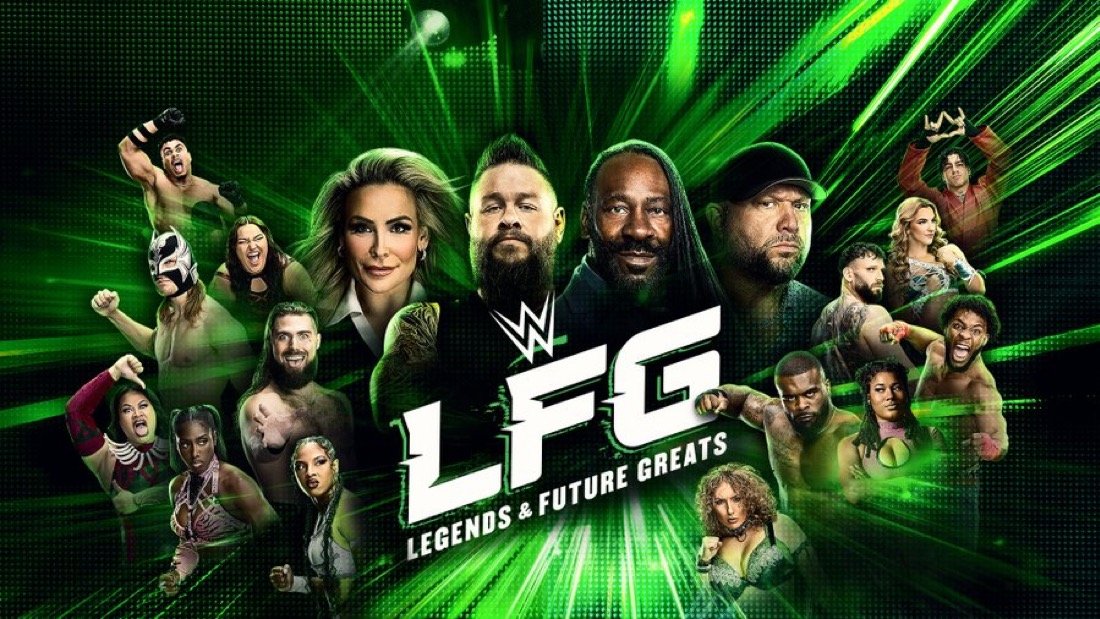
WWE LFG Season 3 Episode 11, “The Bodacious Belly Boys of LFG,” was not the flashiest episode of the season, but it was another useful hour of developmental television because every match had a clear assignment. Sirena Linton returned from her first NXT live event tour and turned that experience into a needed win over PJ Vasa. Jaime Garcia beat Braxton Cole in the cleanest match of the night after Braxton’s own “Privilege without Apologies” book came back to cost him. Then Hank Walker & Tank Ledger defeated Apollo Crews & Elijah Holyfield in the main event, bringing the most natural energy of the episode while also exposing the biggest current issue with Elijah’s presentation: he has presence, but he still needs a stronger identity.
That is what made last night’s episode interesting. It was not built around one huge call-up, one shocking Shawn Michaels moment or one match that changed the entire season. Episode 6 still has that spot because Elio LeFleur vs. Mike Derudder remains the match that felt bigger than the LFG format. Episode 10 had the stronger main-event-level prospect battle with Kali Armstrong and Layla Diggs. Episode 11 was different. This was a progress-check episode. It was about whether Sirena could bring live-event confidence back into the Performance Center, whether PJ could fully become the powerhouse her size says she should be, whether Braxton’s gimmick could keep growing, whether Jaime could stop looking like a highlight reel and start wrestling with more story, and whether Elijah could stand out next to Apollo Crews and a real tag team like Hank & Tank.
The answer was mixed, which is usually when LFG is at its most honest. Sirena showed growth, but the match needed more emotion. PJ looked powerful, but still needs more monster presence. Braxton’s character hook keeps working, but the body language still has to catch up. Jaime looked smooth, but the coaches were right to keep pushing him toward story over spots. Elijah was protected in defeat, but Hank & Tank walked into the episode with more complete chemistry, more crowd connection and more of a finished act than almost anyone else in the match.
Here are the full results
- Sirena Linton def. PJ Vasa by pinfall
- Jaime Garcia def. Braxton Cole by pinfall
- Hank Walker & Tank Ledger def. Apollo Crews & Elijah Holyfield by pinfall
Breakdowns & Reactions
Season 3 Through Ten Episodes: The New LFG Still Works Because It Shows The Process
The biggest reason Season 3 continues to work is because the show is no longer trying to be a fake scoreboard competition. No teams. No points. No weekly standings being treated like they matter more than the actual wrestling. The show is better because it has become exactly what it should have been from the beginning: a Performance Center evaluation room with cameras.
That format helps Episode 11 because none of the three matches were great enough to carry the hour on match quality alone. If this was just a normal wrestling show, it would have been a pretty average night. But as a developmental show, it had value because every segment explained what each performer needed to fix.
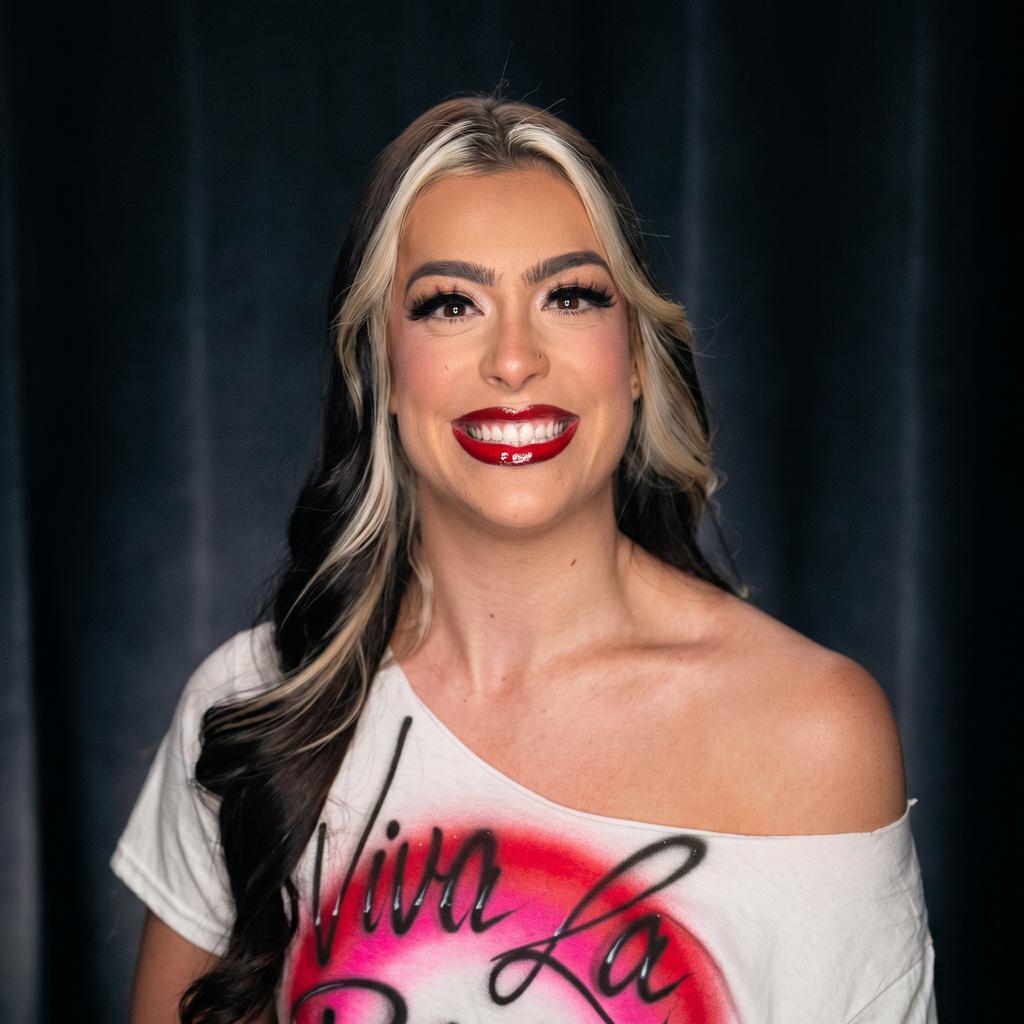
Sirena needed to prove that working live events gave her more confidence and a stronger sense of urgency. PJ needed to prove she could use her size without looking like she was just moving from spot to spot. Braxton needed to make the book gimmick feel like part of the match instead of just an entrance prop. Jaime needed to show that his athleticism can serve a story instead of replacing one. Elijah needed to show that he could stand out next to Apollo Crews and a fully formed team. Hank & Tank needed to show why a real team’s rhythm matters.
That is where the new LFG format is strongest. It does not always create must-see wrestling, but it does create clear developmental questions. Then the matches answer those questions, sometimes in flattering ways and sometimes in ways that make the flaws impossible to ignore.
The other reason the format works is because the coaches are giving real feedback instead of TV-friendly compliments. Kevin Owens is especially good at explaining why moves are not enough. Bubba Ray Dudley is best when he breaks down character and body language. Booker T is best when he talks about presence, confidence and making the audience believe in you. Matt Bloom is still the show’s main reality check because he looks at everything through the lens of whether WWE can actually use it.
Episode 11 was not the season’s best episode, but it was a good example of why the season still matters.
Grade: B
What worked
- The episode had a clear purpose for every match.
- Sirena’s live-event tour gave her match more weight.
- Braxton Cole’s book gimmick had its best payoff yet.
- Hank & Tank brought the most complete energy of the night.
- The feedback after the matches was stronger than some of the matches themselves.
What didn’t work
- None of the three matches felt like a true season-changing performance.
- Sirena vs. PJ needed more emotion.
- Jaime Garcia still needs to slow down and wrestle the story.
- Elijah Holyfield did not fully become the centerpiece of the main event.
- Hank & Tank outshined the episode’s intended Apollo-Elijah focus.
Sirena Linton Returns From Her First Live Event Tour
The smartest thing Episode 11 did was open with Sirena Linton’s live-event experience because it gave her match with PJ Vasa more meaning. Sirena was not just walking into another LFG match. She was coming back from working in front of real crowds on the NXT live-event loop, where the audience may not know who she is yet and where she has to connect without the safety net of heavy TV presentation.
That matters because the Performance Center can teach mechanics, but live events teach feel. A wrestler can know where to stand, when to hit the comeback and how to take a bump, but live crowds teach timing in a way practice cannot. They teach when to pause. When to breathe. When to sell longer. When to speed up. When to let the crowd catch up. That is the kind of experience Sirena needed.
The episode framed her as someone trying to prove that the live-event reps made her better. That was the right story because Sirena’s biggest strength has always been her natural underdog energy. She is easy to root for. She moves well. She looks believable fighting from underneath. But the next step is making that underdog role feel more emotional and less mechanical.
PJ Vasa was the right opponent for that assignment because she gives Sirena an obvious mountain to climb. PJ has size, power and the physical look of someone who should be able to bully Sirena. The friendship between the two added another layer because Kevin Owens made it clear that being friends should not make them softer. If anything, it should make them more comfortable being physical with each other.
That was the right coaching point. Young wrestlers often pull back against people they like, especially when they are still learning how to safely make things look mean. But wrestling is not about protecting feelings. It is about protecting the opponent while making the audience believe the fight is real. Sirena and PJ had the right setup. The match just needed more emotional bite once the bell rang.
Grade: B
What worked
- Sirena’s live-event tour gave the match a real developmental hook.
- PJ was the right opponent to test Sirena’s underdog presentation.
- Kevin Owens gave them the correct assignment before the match.
- The friendship angle made the match more interesting on paper.
What didn’t work
- The episode needed to show a little more of Sirena’s live-event growth before the match.
- PJ’s role as the powerhouse still needed more edge.
- The setup created expectations that the match did not completely reach emotionally.
Sirena Linton vs. PJ Vasa
Sirena Linton vs. PJ Vasa was the right match to open the in-ring portion of the episode because the roles were clear immediately. Sirena was the quicker babyface trying to strike before PJ could settle in. PJ was the bigger powerhouse who needed to cut her off, slow her down and make the match feel like a physical mismatch.
The match started the way it needed to start. Sirena came out moving fast, using dropkicks, kicks, corner offense and quick bursts to keep PJ from planting her feet. That is exactly how a smaller babyface should work against a stronger opponent. She should not casually trade power. She should attack first, move fast and make the bigger wrestler chase.
PJ’s control section was where the match had its best chance to become more than just clean developmental wrestling. When PJ cut Sirena off, used her size, drove her into the corner, leaned on her and started working like the heavier fighter, the structure made sense. Sirena’s comeback needed PJ to feel dangerous. Without that danger, the comeback does not feel like survival. It just feels like the next planned step.
That is where the match came up short. The moves were mostly fine. The order made sense. Sirena fought from underneath, PJ controlled, Sirena created an opening, and Sirena eventually won with the Molly-Go-Round. But the match needed more feeling between the moves.
PJ needed to look more ruthless. Not reckless. Ruthless. She needed to make the audience feel like she was uncomfortable beating up her friend at first, then slowly got more confident doing it. That would have given the match a stronger emotional climb. Instead, she looked like someone doing the powerhouse role correctly but not completely living inside it.
Sirena was better because her urgency comes across naturally. She has that smaller-babyface rhythm where her offense feels like it has to happen quickly or she is going to get overwhelmed. The Molly-Go-Round was the right finish because it fit the story. Sirena did not overpower PJ. She survived, created space and used athletic timing to win.
But Kevin Owens was right: the match needed more emotion. Sirena’s selling still needs to feel less like waiting for the comeback and more like she is actively trying to survive. PJ’s control still needs to feel less like doing power spots and more like imposing power. That is the difference between a fine developmental match and a match that makes someone feel ready for the next level.
Sirena winning was the right call because the episode was built around her growth. She returned from the live-event loop, took the test, and got the win. PJ losing does not bury her, but it does underline the same concern that has followed her through Season 3. She has the monster tools. She still needs to become the monster.
Grade: C+
What worked
- Sirena had the right underdog urgency.
- PJ’s size gave the match an easy story.
- The finish fit Sirena’s style and did not make PJ look weak.
- Sirena’s win made sense with the live-event framing.
- The match had a clean beginning, middle and finish.
What didn’t work
- The match needed more emotion.
- PJ did not feel mean enough during the control section.
- Sirena’s selling still needs more desperation.
- The friendship layer did not come through strongly enough once the bell rang.
- The match was solid, but it did not feel like a major breakthrough.
Kevin Owens and Matt Bloom’s Feedback
The post-match feedback was more valuable than the match because Kevin Owens got right to the main issue. The work was there, but the feeling was not all the way there. That is one of the biggest lessons on LFG this season. Moves are not enough. Athleticism is not enough. Clean execution is not enough. The audience has to understand why those things are happening.
Owens has been one of the best coaches this season because he does not sound like he is coaching from a distance. He sounds like someone who still thinks like an active wrestler. He looks at the little things that decide whether a match feels real: the pause before a comeback, the frustration after a near fall, the anger after getting embarrassed, the way someone carries damage after taking offense.
With Sirena and PJ, the issue was not that they were lost. They were not. The match was structured fine. The issue was that the emotional volume needed to be higher. PJ needed more bully energy. Sirena needed more survival energy. The match needed to feel less like two friends having a safe developmental match and more like two prospects who knew only one of them could leave with momentum.
Matt Bloom’s perspective matters here too because he is not just looking at whether the crowd liked something. He is looking at whether WWE can trust the performer with more. Sirena earned a positive step because she has growth and natural sympathy. PJ still feels like someone WWE wants to shape into a powerhouse, but she has to make everything bigger: the body language, the contact, the reaction when she loses control, and the frustration when the smaller opponent will not stay down.
Grade: B
What worked
- Owens identified the biggest problem without overcomplicating it.
- The feedback made the match feel more useful.
- Sirena’s progress was acknowledged without pretending she is finished.
- PJ’s next step is obvious.
What didn’t work
- The feedback highlighted how much more emotional the match should have been.
- PJ still feels like she is being coached toward the same monster-presence note.
- Sirena still needs a bigger match where the emotion fully clicks.
Braxton Cole and Jaime Garcia Setup
Braxton Cole and Jaime Garcia had the clearest character-versus-athleticism setup of the night. Braxton came in with the better hook. Jaime came in with the cleaner movement. That made their match interesting before the bell because both men needed different things.
Braxton’s “Privilege without Apologies” book gimmick is still one of the best character ideas in the current LFG field. It is simple. It is annoying. It is easy to understand. It gives the crowd something to react to before he ever touches his opponent. That matters because too many developmental wrestlers have moves before they have a reason for the audience to care.
The book gives Braxton a reason. He is arrogant. He thinks he is smarter than everybody. He wants to lecture people. He wants to cheat while acting like he is above everyone else. That is a usable heel foundation.
The issue is that the gimmick cannot do all the work. Braxton still has to carry the arrogance in his posture, his selling, his walk, his frustration and the way he reacts when things do not go his way. If the book is the most interesting thing about him, the character will hit a ceiling fast.
Jaime’s issue is the opposite. He does not lack athletic ability. He does not lack smoothness. He can move, strike, counter and create highlight moments. His problem is making those moments feel like they belong to a fight instead of an exhibition. That is why the match with Braxton was a good test. Braxton gave him a simple story to wrestle against. Jaime did not need to prove he could be flashy. He needed to prove he could beat the arrogant heel by staying inside the match.
That is why this was the best matchup on the episode from a layout standpoint. Braxton had the character tool. Jaime had the athletic answer. The finish brought both together.
Grade: B+
What worked
- Braxton’s book gimmick gave the match a clear hook.
- Jaime was the right opponent because his athleticism contrasted Braxton’s arrogance.
- The setup made the finish easy to understand.
- Both wrestlers had something specific to prove.
What didn’t work
- Braxton still needs more body-language commitment.
- Jaime still needs stronger story discipline.
- The match could have used more time to let the character work breathe.
Braxton Cole vs. Jaime Garcia
Braxton Cole vs. Jaime Garcia was the cleanest and smartest match of the episode. It was not the biggest match. It was not the most energetic. But it had the best wrestling logic.
Braxton came out with the book and immediately gave the crowd something to hate. That matters. He did not have to hit a move to establish himself. He just had to stand there with that smug energy and make the room want to see him get embarrassed. That is a good sign for a developmental heel because heat does not always have to come from complicated work. Sometimes it comes from a simple presentation that makes the audience understand the assignment immediately.
Jaime played his role well because he brought pace and athleticism without making the match feel too scattered. He gave Braxton someone to slow down and frustrate. Braxton’s offense worked best when he was being annoying, cutting Jaime off, using arrogance and trying to make the match about his own cleverness.
The finish was the best finish of the episode because it turned Braxton’s gimmick against him. Braxton tried to use the book, Jaime saw the opening, and the book ended up costing Braxton when Jaime’s leg lariat sent it back into his face. That is simple, clean, effective wrestling storytelling.
Heel brings object. Heel tries to use object. Babyface outsmarts him. Heel loses because of his own arrogance.
That is exactly how a prop gimmick should work. The book was not just decoration. It was not just something Braxton carried to the ring because the character needed a visual. It became part of the match, part of the finish and part of why the loss made sense.
Jaime winning was also the right call because he needed a win that showed he could do more than look smooth. He beat Braxton by staying aware and reacting inside the story. That is a better developmental win for him than just hitting a cool move out of nowhere.
Braxton losing did not hurt him because the loss actually helped the character. A heel like Braxton can lose if the loss reinforces who he is. He was too arrogant, too attached to the book and too confident in his own trick. That is why he got beat. That is a useful loss.
Grade: B
What worked
- The match had the best structure of the episode.
- Braxton’s gimmick was used perfectly in the finish.
- Jaime got a win that fit the story.
- The crowd had a clear reason to react to Braxton.
- The match felt like it understood what it wanted to be.
What didn’t work
- Braxton still needs to feel more arrogant than whiny.
- Jaime still needs to make the story bigger than his athletic spots.
- The match was good, but another minute could have made it feel more complete.
- Braxton’s offense between the character moments still needs more bite.
Bubba Ray Dudley and Matt Bloom’s Feedback
The feedback after Braxton vs. Jaime was exactly why LFG is better this season. Bubba Ray Dudley did not just say Braxton needs to be a better heel. He got specific. Braxton needs to sound more arrogant than whiny. He needs to show frustration with his whole body. He needs to let the audience see the entitlement even when he is not talking.
That is the key. Braxton’s gimmick is good, but the character is not only the book. The character is how he walks after getting hit. It is how he reacts when the referee catches him. It is how he panics when the plan fails. It is how he carries himself after the crowd laughs at him. If he can make the entire performance match the gimmick, there is something there.
Bubba’s note to Jaime was just as important. Jaime cannot work for spots and reactions. He has to work for the story. That is a hard lesson for athletic wrestlers because the crowd will react to cool things. That can trick a young wrestler into thinking the match is working just because people popped for a move. But a pop is not always investment. Sometimes it is just surprise.
Jaime’s next step is learning how to make the audience care before the move happens. The move should be the payoff, not the entire point. If he can figure that out, his ceiling gets a lot higher because the athletic tools are already there.
Grade: A-
What worked
- Bubba gave Braxton the exact character note he needed.
- Jaime’s biggest weakness was clearly explained.
- The feedback made both wrestlers feel coachable.
- The segment helped the match feel more important than its runtime.
What didn’t work
- Braxton has been hearing versions of the same body-language criticism for a while.
- Jaime still feels like someone whose athletic polish is ahead of his match psychology.
- The feedback was stronger than some of the in-ring work.
Apollo Crews, Elijah Holyfield, Hank Walker and Tank Ledger Setup
The main event had the most star power and the most interesting developmental question. Apollo Crews is the veteran steady hand. Elijah Holyfield is the protected project. Hank Walker and Tank Ledger are already a real team with real chemistry. That made the setup easy to understand.
Booker T’s point was that fans already know Apollo, Hank and Tank, so the match needed to help people learn who Elijah is. That was the correct assignment. Elijah has been one of the season’s biggest long-term projects since his return from injury. His uppercut has been protected. His connection with Apollo has been built across multiple episodes. WWE clearly wants viewers to see him as someone with upside.
The problem is that upside is not the same as identity.
Elijah looks like someone WWE would want to invest in. He has size, athletic credibility, presence and a finish that can be protected. But when he is next to Apollo and across from Hank & Tank, the difference becomes obvious. Apollo has veteran polish. Hank & Tank have a full tag-team personality. Elijah still feels like he is in the stage where WWE is telling the audience he matters instead of the audience fully knowing who he is yet.
That is not a knock on Elijah as a prospect. It is just where he is. He looks the part. He has tools. He is learning. But Hank & Tank walked into the match already feeling like a complete act, and that made the match harder for Elijah to own.
That is what made the main event useful. It did not just test whether Elijah could hang. It tested whether he could stand out.
Grade: B+
What worked
- The match had the clearest star-power setup of the episode.
- Apollo continued to give Elijah’s arc credibility.
- Hank & Tank brought a fully formed tag-team identity.
- The match asked the right question about Elijah’s next step.
What didn’t work
- Elijah still feels more like a prospect with tools than a complete character.
- Hank & Tank’s chemistry made the gap obvious.
- The setup wanted Elijah to stand out, but the strongest identity belonged to the other team.
Apollo Crews & Elijah Holyfield vs. Hank Walker & Tank Ledger
Apollo Crews & Elijah Holyfield vs. Hank Walker & Tank Ledger was the most energetic match of the episode, even if it was not the best overall match. That distinction matters. Braxton vs. Jaime had the best structure. The main event had the best vibe.
That vibe came from Hank & Tank.
They move like a team. They react like a team. They know how to make simple offense feel bigger because the timing between them is already there. They do not look like two developmental wrestlers thrown together for a drill. They look like a unit. That alone made them feel more advanced than most of the episode.
Apollo did what Apollo needed to do. He stabilized the match, gave everything a more professional rhythm and helped keep the developmental pieces from feeling too loose. He is valuable in this role because he does not have to dominate to be effective. His job was to give Elijah structure and give Hank & Tank someone credible to work around.
Elijah had moments where he looked strong. That is the good news. His physical presence still comes through, and the uppercut has been protected enough that the audience understands it matters. The finish worked because it protected him while also rewarding Hank & Tank’s teamwork. Elijah had a chance to land the uppercut, Hank took the shot to save Tank, and Tank used the opening to roll up Elijah for the win.
That was smart. Elijah did not lose because he looked weak. He lost because Hank & Tank were the better team in the decisive moment. That is exactly how this match should have ended. The real tag team won because of tag-team timing. Elijah was protected because his biggest weapon still mattered. Apollo was not damaged because the finish was about teamwork, not someone getting exposed.
The issue is that the match did not fully make Elijah the centerpiece. Hank & Tank were too natural. Their energy pulled the match toward them. That is not a bad thing for the match, but it complicates the episode’s stated purpose. If the goal was for viewers to learn who Elijah is, the match only partially succeeded. Viewers learned that Elijah has tools and that his uppercut matters. But they also learned that Hank & Tank are the more complete act right now.
That is not a failure. It is a reality check.
Grade: B-
What worked
- Hank & Tank brought the most natural energy of the episode.
- The finish protected Elijah while putting over tag-team chemistry.
- Apollo gave the match veteran stability.
- The uppercut remained important even in defeat.
- The match felt bigger than the first two because of the names involved.
What didn’t work
- Elijah did not fully become the centerpiece.
- Hank & Tank outshined the developmental story the episode was trying to tell.
- The match could have used more Apollo-Elijah teamwork before the finish.
- Elijah still needs more character definition between the big moments.
Booker T’s Feedback and The Elijah Holyfield Question
Booker T has been one of Elijah Holyfield’s strongest believers this season, and that is part of why the Apollo-Elijah story has worked. Booker sees something in Elijah. The show sees something in Elijah. Apollo Crews clearly gives the story more weight. But Episode 11 showed that the next step cannot just be more praise.
Elijah needs more identity.
That is the biggest takeaway from the main event. He has presence. He has the athletic background. He has the protected uppercut. He has Apollo beside him. But what is the audience supposed to know about him beyond upside? That is where the work still has to happen.
Hank & Tank are a great comparison because they are not complicated. They are big, loud, fun, physical and connected. You know what they are almost immediately. They bring energy before the match even gets deep. Elijah does not have that yet. He has pieces. He has the look. He has the endorsement. He has the finish. Now he needs the personality that ties all of that together.
The good thing is that he is not being rushed in a way that feels reckless. LFG is giving him reps with Apollo, putting him in tags, letting him face veterans and protecting the uppercut. That is smart development. But the next phase needs to be about who Elijah is when Apollo is not standing next to him.
Grade: B
What worked
- Booker’s belief in Elijah continues to make the arc feel important.
- The match protected Elijah without forcing him to win.
- Hank & Tank gave Elijah a useful contrast.
- The episode made Elijah’s next step very clear.
What didn’t work
- Elijah still needs more character work.
- The show has leaned heavily on people saying he is special.
- He needs a defining singles performance soon.
- The Apollo connection is useful, but Elijah eventually has to stand alone.
Where Everyone Stands After Episode 11
- Sirena Linton: took the biggest storyline step of the episode by turning her first live-event tour momentum into a win over PJ Vasa. She still needs more emotional depth in the ring, but her underdog energy is real.
- PJ Vasa: still has the powerhouse tools, but the monster presentation has not fully clicked. She needs to make her size feel more dangerous between moves.
- Braxton Cole: has one of the best gimmick foundations in the LFG field. The book works, but he has to become the arrogant heel physically, not just carry the prop.
- Jaime Garcia: smooth, athletic and easy to watch, but still needs to wrestle for the story instead of chasing reactions.
- Apollo Crews: continues to be valuable as the veteran attached to Elijah’s development. He gives the story credibility and keeps the matches grounded.
- Elijah Holyfield: still one of the season’s most protected projects. The upside is obvious, but the identity has to catch up to the presence.
- Hank Walker & Tank Ledger: walked into Episode 11 as the most complete act in the match and left looking even stronger. Their chemistry made the main event feel alive.
- Kevin Owens: had the best coaching point of the night by calling out the lack of emotion in Sirena vs. PJ.
- Bubba Ray Dudley: gave the most useful character feedback by pushing Braxton to be arrogant instead of whiny and Jaime to work the story instead of the spot.
- Booker T: continued to frame Elijah as a major project, but Episode 11 showed the next step has to be more identity, not just more protection.
Best Match Of The Night
Braxton Cole vs. Jaime Garcia
This was the best match of the night because it had the cleanest story. Braxton’s gimmick mattered, Jaime had a clear babyface role, and the finish made perfect sense. It was not the hottest match, but it was the smartest.
Grade: B
Best Performance Of The Night
Hank Walker & Tank Ledger
Hank & Tank were the most complete act on the show. They brought energy, chemistry, timing and personality. They did not need a long explanation because they already wrestle like a real team.
Grade: B+
Biggest Winner Of The Night
Sirena Linton
Sirena got the episode-opening focus, the live-event tour framing and the win over PJ Vasa. It was not a perfect match, but she was positioned as someone moving forward.
Grade: B
Biggest Question Coming Out Of The Episode
Who Is Elijah Holyfield Without Apollo Crews?
That is the question now. Elijah has the tools, the protected finish and the veteran connection. But the next step is identity. He needs a match or segment that tells the audience who he is beyond potential.
Grade: B-
Final Thoughts
Last night’s WWE LFG was a good developmental episode, not a great wrestling episode. That is the fairest way to look at it. Nothing on the show reached the level of Elio LeFleur vs. Mike Derudder. Nothing felt as important as Kali Armstrong beating Layla Diggs last week. But Episode 11 still had a purpose, and that purpose was progress checking.
Sirena Linton came out looking better because the episode gave her a real arc. She went from live-event tour to Performance Center test to win. The match with PJ Vasa needed more emotion, but Sirena’s direction is clear. She is one of the easiest underdogs in the season to root for.
PJ Vasa still feels like a prospect with the right tools but not enough presence yet. She should be dominating matches with more force, more attitude and more emotional control. She does not need to do more moves. She needs to make the moves feel meaner.
Braxton Cole and Jaime Garcia had the smartest match of the episode because the finish actually paid off the story. Braxton’s book gimmick is working, but he still has to embody the arrogance more fully. Jaime has all the athletic tools, but he still needs to make those tools serve the fight instead of becoming the fight.
The main event had the most energy because Hank & Tank brought it. They were loud, fun, physical and connected. Apollo Crews did his job as the veteran. Elijah Holyfield was protected in defeat. But the match also made the biggest issue clear: Elijah still needs a stronger identity. He looks like someone WWE wants to build, but now the show has to give viewers more reasons to connect with him beyond upside.
That is why Episode 11 worked as an evaluation episode. It showed growth, but it also showed the gaps. Sirena is closer. Braxton’s gimmick is clearer. Jaime still needs story discipline. PJ still needs monster presence. Elijah still needs identity. Hank & Tank are already a finished act compared to most of the room.
WWE LFG Season 3 is still not perfect, but episodes like this prove why the new format has value. It is not always about great matches. Sometimes it is about seeing exactly who is ready, who is close and who still needs to learn how to turn the moves into a fight.
Overall Show Grade: B-
Make sure to subscribe to our Late Night Crew Wrestling YouTube Channel. Follow @yorkjavon, @kspowerwheels & @LateNightCrewYT on X.
I’m the quiet one until the bell rings then I’ve got takes. I live for WWE NXT and TNA, I want every promotion to succeed, and I will absolutely roast the bad decisions on sight (because someone has to). Anime taught me to respect long-term storytelling; wrestling taught me that sometimes the plan is “we panicked” and called it “unpredictable.” The Miz got me into all of this, so yeah I appreciate confidence, commitment, and the art of talking like you’re already the main event. Now I bring that same energy to the page as the main writer for Late Night Crew Wrestling because if you’re not here to be must-see and tell the truth, why are you here?!